Analysis
60 Years After the Voting Rights Act: Representation, but for Whom?

On October 15, 2025, the U.S. Supreme Court concluded oral arguments in Louisiana v. Callais, a landmark case that will determine whether Louisiana’s decision to redraw congressional districts to rectify racial discrimination in voting complies with the Constitution.
After a federal court found that Louisiana’s 2022 map diluted Black voting power in violation of Section 2 of the Voting Rights Act, the state legislature adopted a new map in 2024, creating a second majority-Black district. The state of Louisiana initially defended the new map but later withdrew it, leaving civil rights organizations and individual voters to defend it before the Court. The ruling will clarify the scope of federal protections that prevent racial vote dilution.
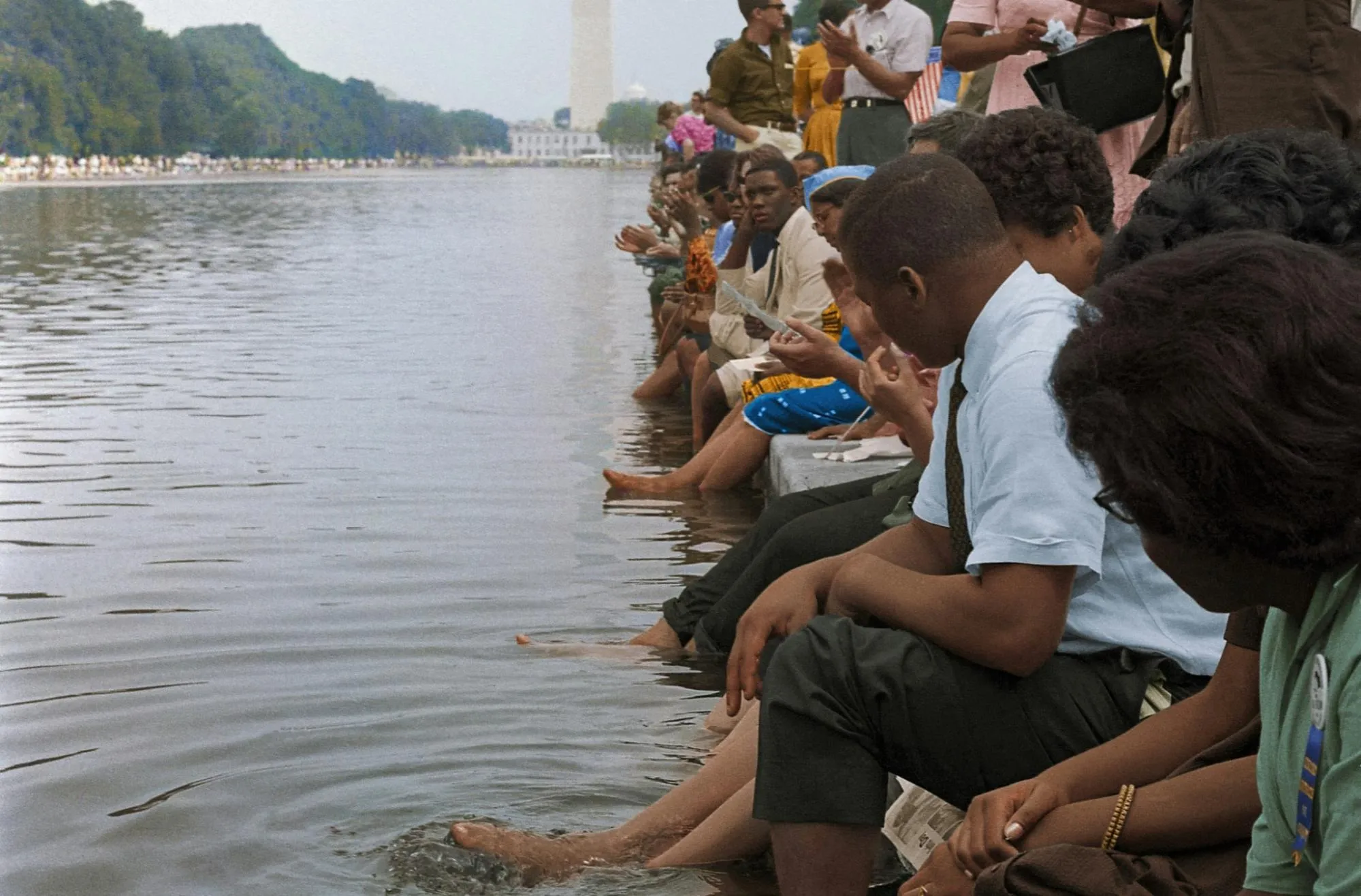
The Voting Rights Act of 1965 remains one of the most important pieces of civil rights legislation in American history. Passed after decades of organized activism, It was designed to address systematic and deliberate efforts to suppress Black votes in the United States. For decades, states used restrictive measures like literacy tests and poll taxes to prevent impoverished, minority populations from voting. A central provision, Section 5, required states with documented histories of racial discrimination to obtain federal approval, or preclearance, before changing any voting laws or district maps. This safeguard was designed to prevent states from enacting new barriers that would undermine equal representation.
Fair maps are therefore not just a matter of policy, but moral integrity. It determines whether a community gets to participate in democracy and hold autonomy around decisions that affect their livelihood. The effort to weaken the Voting Rights Act cannot be separated from broader trends of Christian nationalism and authoritarianism. These agendas seek to exclude the political presence of Black Americans in efforts to elevate their electoral power and cultural identity over others. At Interfaith Alliance, we advocate that fair representation is essential to religious freedom and pluralism. If one community’s voice is suppressed, it undermines the dignity of all.
Though courts have long recognized that race-conscious redistricting can be necessary to rectify racial discrimination in voting, the Supreme Court has weakened the Act’s key provisions over time, most notably in Shelby County v. Holder (2013), a case that struck down preclearance requirements for states with histories of discrimination.
SCOTUS first heard arguments in this case in March 2025 but ordered re-argument in June to address a new question: whether creating a second majority-Black district in Louisiana violates the Fourteenth or Fifteenth Amendments. This reframing signals the Court’s interest in reconsidering the constitutional boundaries of race-conscious districts.
Civil rights advocates, including the ACLU, the NAACP Legal Defense Fund, and the Power Coalition for Equity and Justice, argue that the 2024 map is a lawful remedy to long-standing racial inequities in representation. Black voters make up roughly one-third of Louisiana’s population but historically have only been represented by one of six congressional districts.
Callais occurs at a time when several states are enacting restrictive voting measures that limit access to the ballot and reduce opportunities for fair representation. These policies are often introduced under the guise of “election integrity,” yet have little to no impact on election security. Instead, they restrict access to the ballot box, disproportionately affecting voters of color, low-income communities, and people with disabilities.
The Court’s decision in Louisiana v. Callais will shape the future of voting rights for years to come, and a ruling that weakens Section 2 sets a grave precedent that invites further systematic discrimination, and likely the complete overhaul of congressional districts across regions of the U.S. that already have a long history of surgically diluting the voting power of Black voters. Protecting the right to vote affirms that democracy belongs to everyone, and the outcome of this case will reveal who we believe deserves a voice.
The views and beliefs expressed in this post and all Interfaith Alliance blogs are those held by the author of each respective piece. To learn more about the organizational views, policies and positions of Interfaith Alliance on any issues, please contact [email protected]
Transcript

Why Hasn't Ted Cruz Canceled this Islamophobic Hearing Yet?
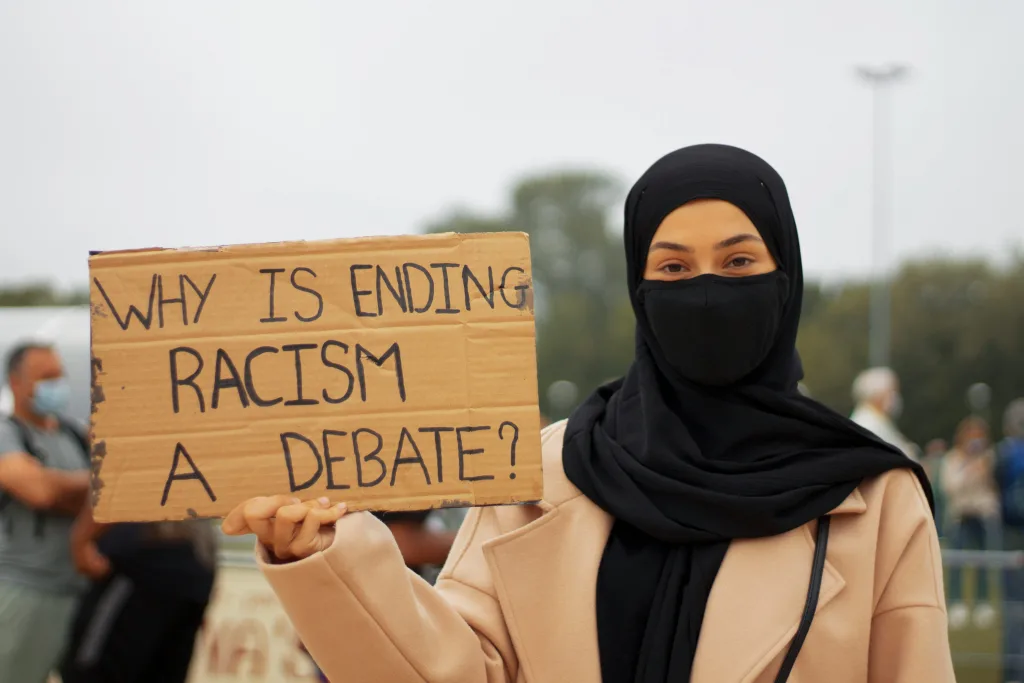
In May, the U.S. Senate scheduled a hearing titled "Hidden in Plain Sight: Confronting the Muslim Brotherhood Network in America" that threatened to escalate anti-Muslim fearmongering and disinformation in the halls of Congress. A postponement isn't enough. Cruz must cancel this hearing for good.