
Advocacy
Congress Can Protect the Right to Worship without Sacrificing the Freedom of Assembly


Religious freedom and freedom of assembly are among the most important rights Americans have, both enshrined within the First Amendment to the U.S. Constitution. As hate crimes targeting religious communities continue to rise, so should our work to combat them. Efforts to counter these attacks, however, should not come at the expense of other equally fundamental freedoms. Interfaith Alliance has been steadfast in our defense of First Amendment rights and we wholeheartedly believe those rights are strongest when each is protected to the fullest extent possible. That is why we joined a letter opposing the so-called Right to Worship Act (S. 5289) as currently written.
Why We Oppose the ‘Right to Worship Act’
We support every American’s right to worship freely, without fear or threat of intimidation. Protections for that right already exist. Since 1994, the FACE Act has made it a federal crime to use force, threats, or physical obstruction to block entrances of houses of worship. It is the law that the former CNN anchor Don Lemon is being prosecuted under. The Right to Worship Act is therefore superfluous, and it adds additional penalties which could impede First Amendment rights.
There is a clear difference between physically blocking someone from entering a house of worship and standing outside to protest. The Right to Worship Act blurs that difference. Demonstrations aren’t typically meant to be quiet and comfortable and the First Amendment has never required them to be. Under S. 5289 though, a protestor could be held liable if any congregant alleges their protest interferes with a religious service. That language in the bill is vague enough to cover speech that is protected by the Constitution. Additionally, the bill’s 100-foot radius provision could prevent protestors from using public sidewalks and streets, spaces that have been central for organizing and advocacy.
The bill also allows for any aggrieved individual to sue. For many groups, the threat of a lawsuit for peaceful, protected acts of demonstration would be enough to keep them from exercising their freedom of assembly. We believe that policymakers should do everything they can to protect the right to worship. And yet this bill assumes that protestors outside a service are not members of that same religious community, are intentionally trying to block access to worship, and are engaging in acts so threatening that they would warrant a restriction of their own First Amendment rights.
Opposing this bill does not mean Congress should do nothing to keep houses of worship safe. There are just better ways to respond to threats that exist against them.
Better Ways to Keep Religious Communities Safe
There is a very real rise in attacks on religious communities, and there is clearly a need for stronger protections. That is why we call on Congress to focus on real ways to keep every religious community safe: 1) by speaking out against, rather than fomenting, hate against religious communities, 2) by passing the Protecting Sensitive Locations Act, and 3) by making the Nonprofit Security Grant program more transparent and accessible. Together these measures would give vulnerable religious communities the security they need without infringing on essential freedoms.
First, Congress would do well to use its bully pulpit to counter hate and to call for respect for communities of all religions and backgrounds. When the Right to Worship Act was introduced, Senator Ted Cruz, a lead cosponsor of the bill said, “The First Amendment guarantees every American the right to freely exercise their faith, and Congress has a duty to ensure that guarantee is met. In recent years, we have seen organized acts of hate meant to disrupt and deny that right, which have been untenably defended as speech. That is why I am introducing the Right to Worship Act, and I urge my colleagues to support it.” Yet Senator Cruz has repeatedly used his platform to target Muslim Americans.
In August, Senator Cruz chaired a hearing called “Hidden in Plain Sight: Confronting the Muslim Brotherhood Network in America,” with the intent to cast suspicion on every Muslim in America. Congress should be in the business of advancing respect for religious freedom, not fomenting hate and conspiracy theories against specific American communities because of their religion.
If Congress wants to protect houses of worship from intimidation, it should immediately pass the Protecting Sensitive Locations Act. For more than 30 years, federal policy shielded houses of worship, schools, hospitals, and other sensitive locations from immigration enforcement except in urgent circumstances under strict guidelines. On January 20, 2025, the Trump Administration rescinded that policy. Since then, ICE raids and the threat of them have kept families home from services and some congregations stopped gathering in person altogether. The Protecting Sensitive Locations Act would write the policy into law.
Another way Congress can demonstrate their genuine concern and commitment to protecting religious communities is through the transparent and equitable administration of the Nonprofit Security Grant Program. This program helps houses of worship by paying for cameras, protective doors, and other security equipment. However, the program is often slowed by delays and lack of transparency. In 2025, FEMA approved around 1,600 of about 6,000 applications, and Muslim organizations have raised concerns that they are not getting fair access to the funds.
Additionally, the U.S. Department of Homeland Security has instituted additional barriers to access, by prohibiting houses of worship from engaging in diversity, equity, and inclusion efforts, which are often central to their religious mission, and by suggesting that access to funds is contingent on compliance with U.S. Immigration and Customs Enforcement (ICE) efforts. Congress could act to make sure funds are released on time, that FEMA does not create harmful, politically motivated barriers to access to funding, and that all vulnerable religious communities have an equal opportunity to get the support it needs.
The freedom of religion and the freedom to speak and assemble are not in conflict. We urge Congress to reject the Right to Worship Act and instead invest in solutions that ensure the protection of all First Amendment rights without sacrificing any of them.
Transcript

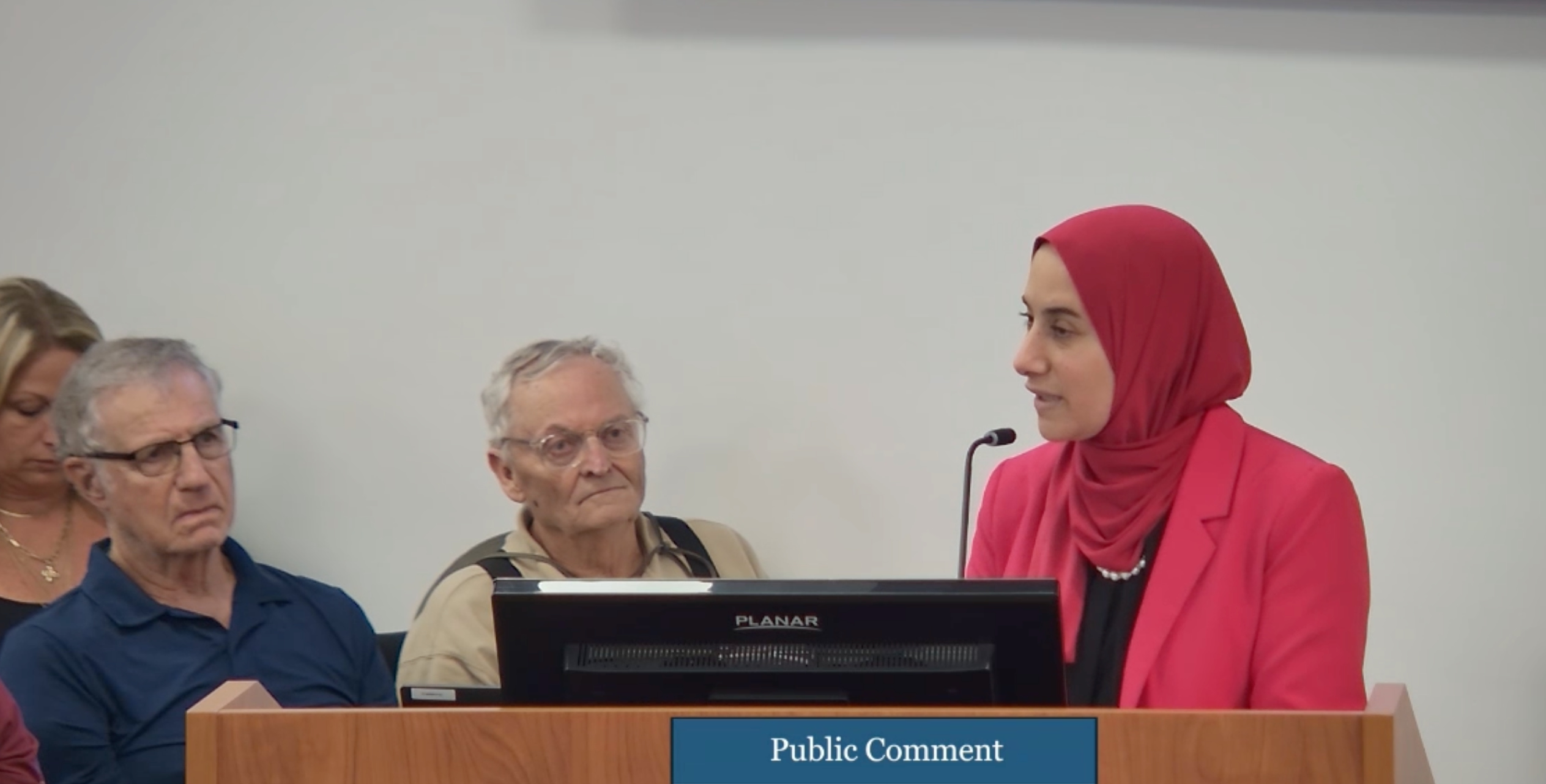

Interfaith Alliance Joins Open Letter Denouncing Anti-Muslim Bigotry from Elected Officials
Joining more than 200 faith leaders and allies, along with over 70 religious and civic organizations, Interfaith Alliance signed onto an open letter denouncing normalization of anti-Muslim bigotry by U.S political leaders.