Advocacy
Solidarity with the Rhode Island State Council of Churches


The Rhode Island State Council of Churches (RISCC) is the lead plaintiff in Rhode Island State Council of Churches v. Rollins, which was brought by a nationwide coalition of local governments, charitable, legal, small businesses, and workers’ rights organizations. They are represented by Democracy Forward and Lawyers Committee for Rhode Island, and already won an initial victory in federal court to keep SNAP payments going. This solidarity statement is organized by Interfaith Alliance in consultation with RISCC.
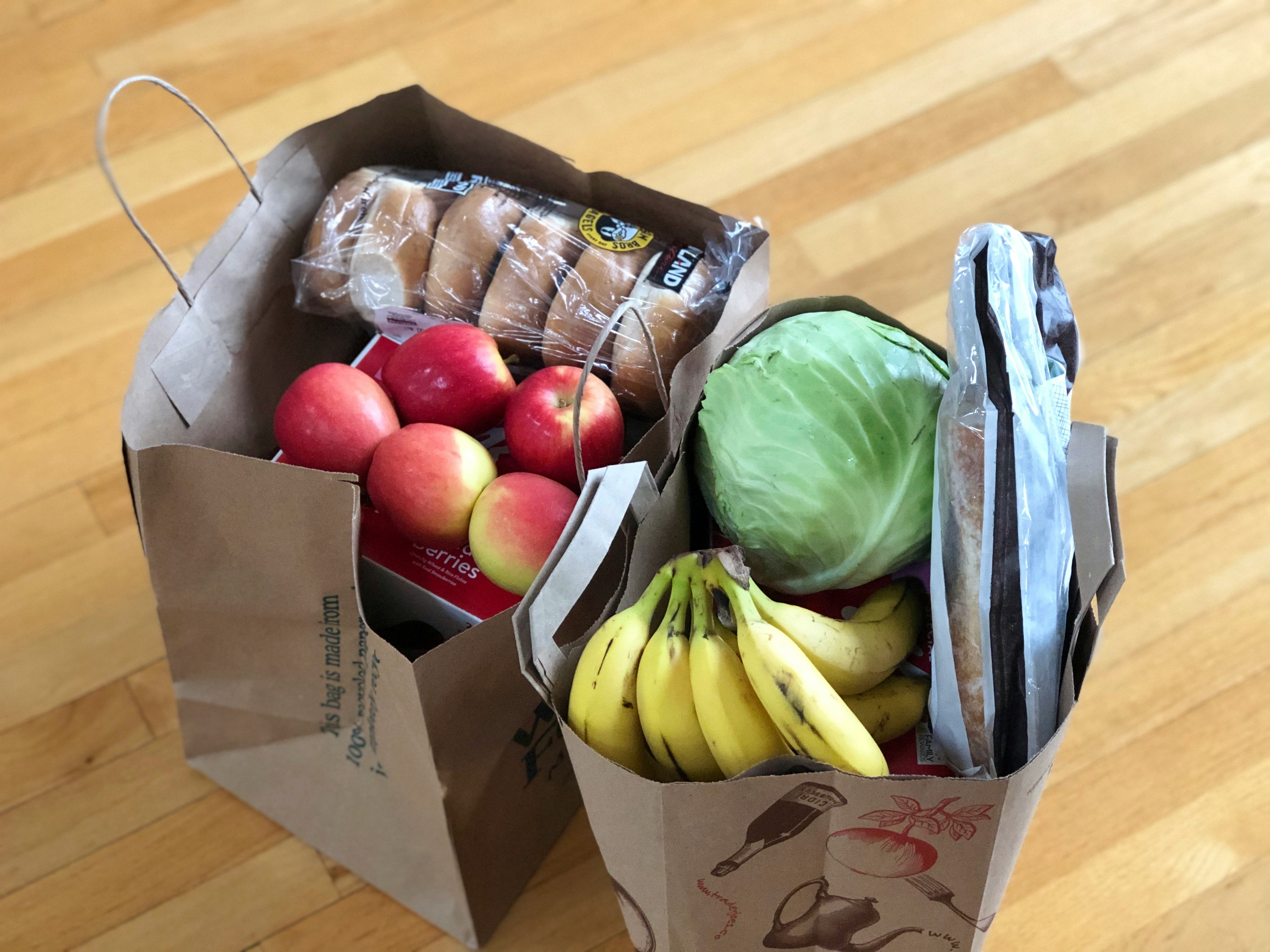
We, the undersigned faith leaders across the United States, express our solidarity with the Rhode Island State Council of Churches (RISCC) for their just action in suing the Trump administration over its attempt to halt the Supplemental Nutrition Assistance Program (SNAP) during the government shutdown. RISCC is not alone. Faith-based organizations around the country are meeting the needs of hungry Americans who are already suffering under other cuts by the Trump administration to benefits and services. The Trump administration’s decision to halt and even “undo” SNAP payments will make more Americans hungry – and many of those hungry Americans will turn to houses of worship and faith-based food pantries as their last resort. Meeting this surge in demand will be unsustainable for religious communities and divert funds away from other ministries. The legal fight to maintain SNAP payments through the shutdown is not just about hunger, but also the ability of our houses of worship and faith-based organizations to continue to keep their doors open to provide for the American people. This is yet another example of the Administration’s lack of appreciation for the role that American churches and other faith communities play in our society.
- Rev. Paul Brandeis Raushenbush
- Maggie Siddiqi
- Rev. Dr. Katharine Rhodes Henderson
- Guthrie Graves-Fitzsimmons
- Rev Amanda Hambrick Ashcraft
- Rev. Dr. Brian D. McLaren
- Andrea Miller
- Rabbi Danya Ruttenberg
- Laurie Carafone, Executive Director, NETWORK Lobby for Catholic Social Justice
- Sisters of Mercy of the Americas
- Rev. Dr. Chuck Currie
- Shane Claiborne
- Rev. Dr. Shannon Fleck
- Lisa Sharon Harper
- Sabrina E. Dent, DMin
- Rev. Dr. Littycia Clay-Crawley
- Rev Aaron Tinch
- Joycettee Ward
- Min. Christian S. Watkins
- Rev Chris Crowley
- Rev. Wendell Griffen
- The Riverside Church in the City of New York, Reverend Adriene Thorne, Senior Minister
- David Currie
- Rev. Dr. Sharon Harris-Ewing
- Randall Balmer
- Rev Robin D Mines
- Rev. Moya Harris
- Rev. Dr. Anna Piela
- Lisa Freund
- Rev. Frederick Davie
- Rev. Dr. Larry Golemon
- Rev Rochelle Andrews
- Zina Merkin
- Rev. Dr. Carol Lynn Patterson
- Pastor Pierce A. Williams
- Donte A. McCutchen
- Rev. Cozette Thomas
- LaWonder Mcdowell
- Navella George
- Rabbi Dan Fink
- Interfaith Alliance of Colorado
- Interfaith Alliance of North Dakota
- Nathaniel West
- Rev. Dr. DeLishia A. Davis
- Rev. Dr. Cynthia Lynch
- Rev. Dr. Jacqui Lewis
- David Dine Wirtschafter
- Rev. Leigh Curl-Dove
- The Rev. Julie Conrady
Transcript
.avif)
Interfaith Alliance Joins Open Letter Denouncing Anti-Muslim Bigotry from Elected Officials
Joining more than 200 faith leaders and allies, along with over 70 religious and civic organizations, Interfaith Alliance signed onto an open letter denouncing normalization of anti-Muslim bigotry by U.S political leaders.