Analysis
Building a Moral Analysis for a Critical Election Year

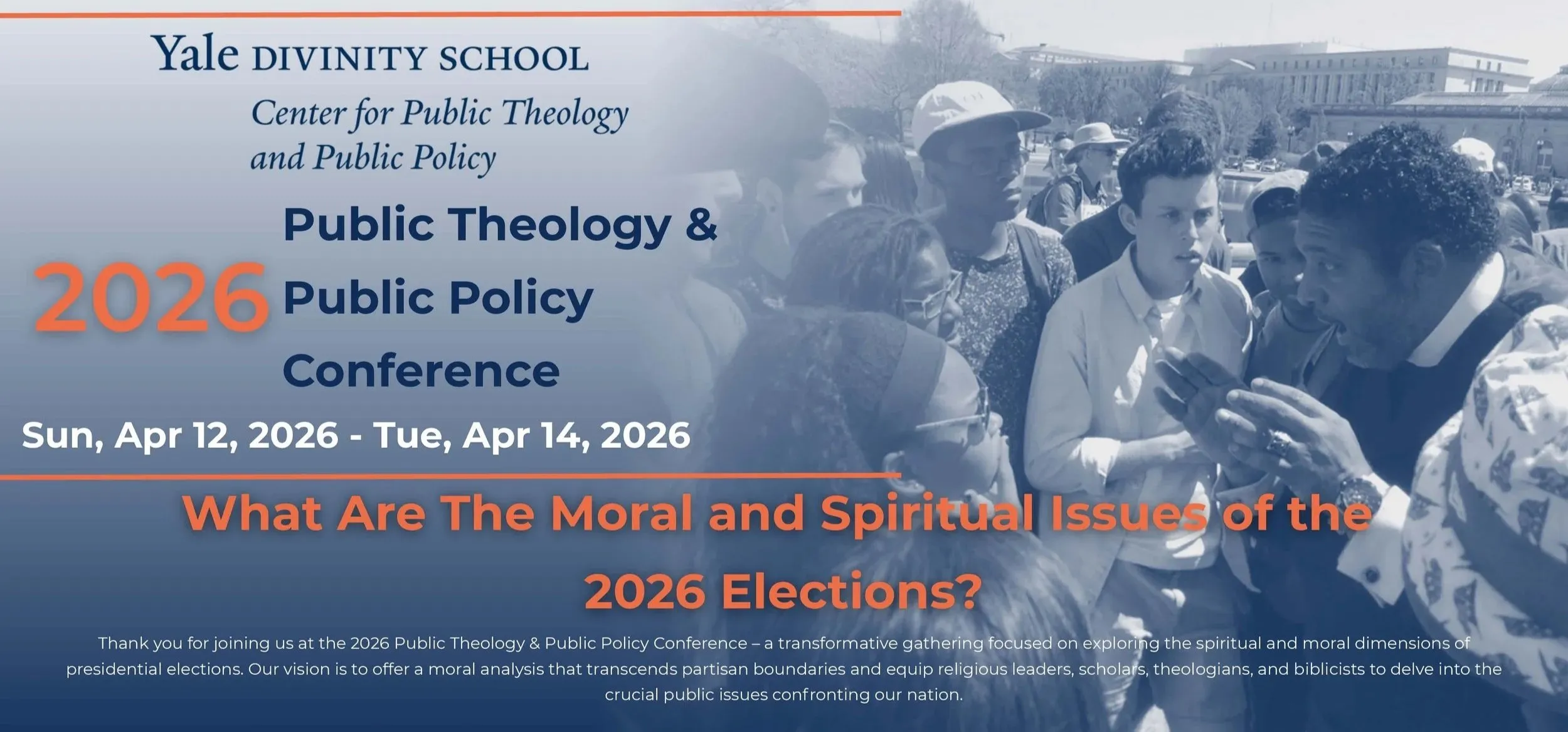
This week I attended Yale’s Center for Public Theology and Public Policy’s national conference, held every two years in New Haven, Connecticut. The conference brought together faith leaders, academics, community activists, and lawyers to explore the deepest moral and spiritual issues of the upcoming 2026 midterm elections. Founded by Bishop William Barber II, one of the foremost religious leaders in the country today, the conference focuses on building a shared moral analysis of key political issues and to train and empower people to delve into the crucial moral issues confronting our nation.
Some of the key panels the conference hosted were on building moral opposition to authoritarianism, the violent policy impacts of the 119th conference, and renewing our focus on accountability and the rule of law.
During the opening plenary, Dr. Ruth Ben-Ghiat spoke about how authoritarianism functions to legitimize and support betrayal and moral deregulation on every level of society. By creating rewards for indulging in one’s worst behavior, it fosters a value shift that creates fertile ground for supporting violence and repression. Dr. Philip Gorski shared that Christian nationalism is no longer fringe; as research from the Public Religion Research Institute shows, it has entered the political mainstream. He called for building stronger transnational connections to support democracy and combat authoritarianism. Dr. Eddie Glaude concluded the panel by reminding the audience that there is a long history of anti-democratic forces in the United States. Because of this, Dr. Glaude pointed out there’s a robust tradition of resistance, often illustrated most powerfully by faith communities, and the throughline across these many diverse social movements is an insistence on human dignity. He ended by calling for all of us to work together to protect our democracy and imagine a new world.
As I return to work after attending this powerful event, I’m reminded of the important role diverse faith communities play in supporting our democracy. By speaking out strongly against hate towards religious minorities, supporting the separation of Church and State by preventing partisan funds from entering houses of worship, and training faith leaders in the tools of nonviolent civil resistance, we can combat white Christian nationalism and build a more inclusive society.
Zev Mishell is the Senior Programs Strategist at Interfaith Alliance
The views and beliefs expressed in this post and all Interfaith Alliance blogs are those held by the author of each respective piece. To learn more about the organizational views, policies, and positions of Interfaith Alliance on any issues, please contact [email protected].
Transcript

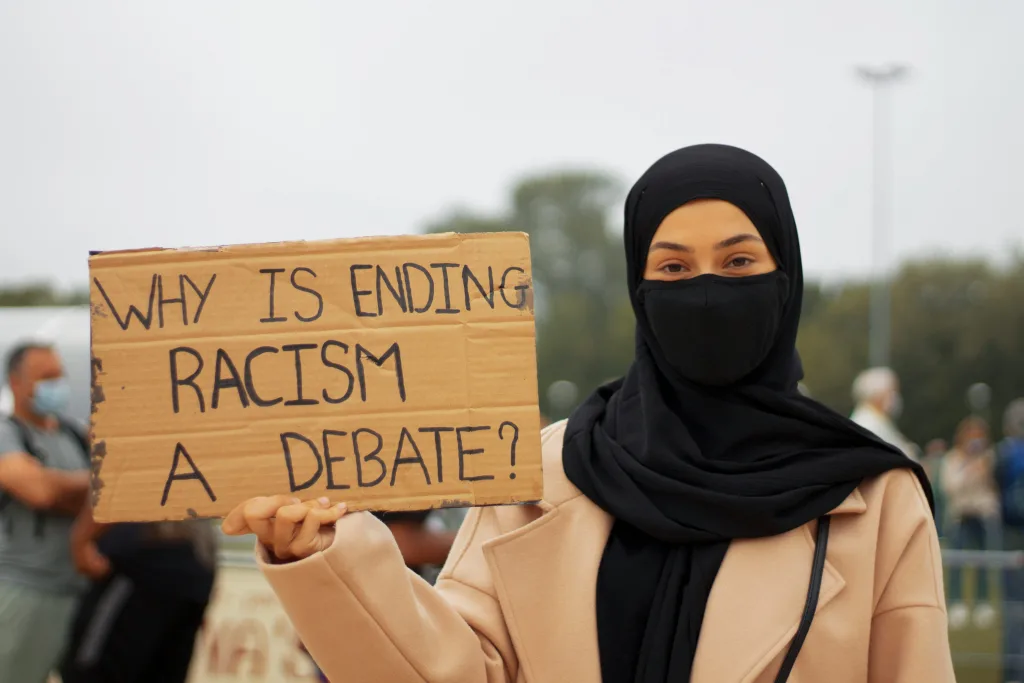
Why Hasn't Ted Cruz Canceled this Islamophobic Hearing Yet?
In May, the U.S. Senate scheduled a hearing titled "Hidden in Plain Sight: Confronting the Muslim Brotherhood Network in America" that threatened to escalate anti-Muslim fearmongering and disinformation in the halls of Congress. A postponement isn't enough. Cruz must cancel this hearing for good.